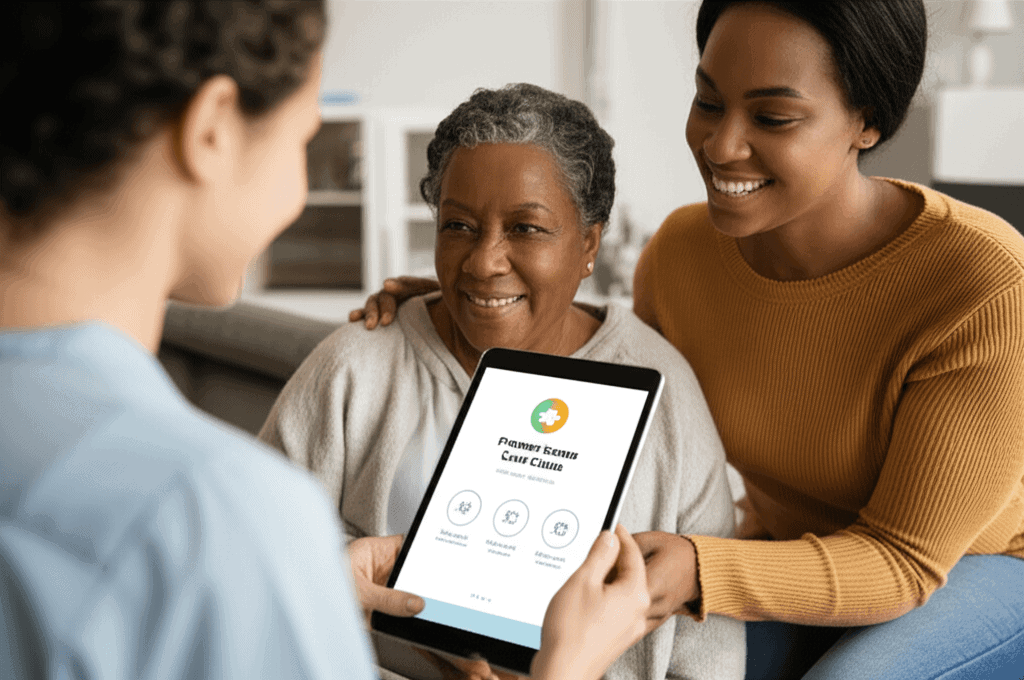
Prevent Senior Care Crisis with Emergency Systems Guide Explored offers a clear path for caregivers, facility bosses, and family members who want to keep older adults safe and improve their well-being. Early planning and reliable emergency systems matter a lot. One slip or sudden health shift can set off a domino effect of problems. The right systems stop that dangerous chain before it even begins. This guide helps people see how to avoid big troubles by acting fast and smart, making life steadier for those who need extra care. Keep reading to uncover secrets that turn emergency chaos into calm control.
The material that follows mixes real life examples, checklists, and action steps that can be used in homes and residential settings. Whether you manage a small assisted living home or support an aging relative, you will find specific ideas to tighten response times, reduce avoidable hospital transfers, and make everyday safety a regular habit.
Why emergency systems matter for senior care crisis prevention
Older adults face higher rates of sudden health events. For example, data from public health agencies show that about one in four adults over age 65 falls each year. Delayed help after a fall increases risk of dehydration, infection, and longer recovery. Emergency systems reduce delay and change outcomes.
Beyond falls, emergencies include adverse medication reactions, sudden chest pain, respiratory distress, and behavioral crises tied to cognitive impairment. A dependable system turns a moment of panic into a coordinated response. That lowers the chance of a small problem becoming a hospital admission.
Key components of effective emergency systems in senior care
A successful plan combines hardware, protocols, and human factors. Here are core elements to check for in any setting.
- Immediate alert devices such as wearable pendants and wall switches that call for help fast
- Automatic detection sensors like fall detectors and bed alarms that trigger an alert when abnormal movement is detected
- Clear response protocols that tell staff or family who does what when an alert comes in
- Reliable communication paths that reach local emergency services, on site responders, and designated family contacts
- Regular maintenance and testing so batteries, signal strength, and software remain operational
Technology options and practical trade offs
Not every device fits every situation. Choosing options depends on resident mobility, cognitive status, and setting layout. Below are common choices and what to think about when selecting them.
Wearable alert devices and their limits
Wearable pendants and wristbands are useful when users consistently wear them. A frequent real life challenge is forgetting to wear the device. Choose a form factor that matches the person. Pendants may be worn over clothing while bracelets can be removeable during showering. Regular reminders help improve use.
Passive monitoring alternatives
For people who will not wear a device consistently, passive options work. Floor mats that detect prolonged inactivity, motion sensors that monitor movement patterns, and pressure sensors for chairs or beds are examples. These offer coverage without relying on user action, though they need careful calibration to avoid false alerts.
Designing response protocols that actually work
Technology is only useful when paired with a clear plan. A written protocol reduces confusion and speeds help. Here are tested steps to include.
- Define roles and responsibilities for staff and family with simple checklists
- Set time targets for each step, including initial contact and escalation to emergency services
- Document common scenarios with decision trees that show alternative actions
- Train everyone on the plan and run drills that mimic realistic events
For example, a facility might set a target of two minutes to confirm an alert and five minutes to have a responder on scene. A private home may set a target of one minute for the monitoring service to call the designated contact and ten minutes for emergency services to arrive depending on local response times.
Staff and caregiver training tips for faster crisis handling
Training improves confidence and reduces mistakes. Short, regular training sessions are often more effective than occasional long classes. Include role play and hands on practice with devices.
- Run monthly drills that focus on common incidents
- Teach basic emergency techniques such as when to move someone and when to keep them still
- Practice communication scripts so calls to emergency services are clear and efficient
- Include family members in at least one training session so they know the system and expectations
One practical tip is to create laminated quick reference cards that hang near telephones and at nurse stations. A small card with step by step actions reduces hesitation during real events.
Integration with local emergency services and medical records
Connecting on site systems with local responders reduces wasted time. Share critical information with emergency medical services so first responders arrive with relevant medical history and medication lists. Digital portals or printed packets both work. Make sure the packet includes recent diagnoses, allergies, and current medications.
Another measure is to register the facility or home with local dispatch services when possible. Some dispatch centers keep notes on locations with mobility challenges or special access requirements which saves precious minutes.
Privacy considerations and resident dignity
Monitoring raises legitimate privacy concerns. Balance safety with respect for personal space. Use passive sensors in common areas first and limit intrusive monitoring to high risk periods such as night time. Obtain informed consent and explain how data is used and when alerts are sent.
Design choices can promote dignity. For instance, place call buttons in discreet but reachable locations and avoid 24 hour video where verbal and sensor options will work. A clear privacy policy and regular conversations with residents and families keep trust high.
Cost management and funding options
Budget constraints influence what can be implemented. Start with low cost, high impact items such as emergency call cords and basic pendants. Seek grants and local programs that subsidize safety devices for older adults. Some insurers and community organizations provide funding or loaner equipment.
When evaluating systems compare total cost of ownership. Consider installation, monthly monitoring fees, and replacement costs. A slightly higher initial price that lasts longer may be less expensive over time. Keep an inventory and a replacement schedule to avoid unexpected failure.
Real life examples of crisis prevention in senior care
A community housing complex introduced door sensors combined with staff check ins during sleep hours. The team caught a breathing problem early after an alert was triggered by lack of movement, which led to timely medical treatment and avoided an overnight hospital stay.
In another case, a family using a pendant and a local monitoring service received a mid afternoon alert when their relative fell at home. Because the device sent location data, a neighbor who had a spare key was able to reach them quickly. That quick contact prevented a long period on the floor and a secondary infection.
Resources for further learning and vendor selection
When you are ready to compare vendors, make a shortlist based on system reliability, false alert rates, battery life, and service quality. Ask for references from similar sized facilities and request a short trial period when available. Keep an evaluation log that records uptime, missed alerts, and user feedback.
If you want more detailed guidance on selecting and implementing systems, continue reading at a page that provides specific checklists and purchase tips.
Conclusion
Prevent Senior Care Crisis with Emergency Systems Guide Explored offers straightforward actions that reduce risk and improve response when events occur. A mix of wearable devices, passive sensors, clear protocols, and regular practice produces measurable gains. Small changes such as a laminated checklist, a monthly drill, and a short technology trial can cut response time and avoid complications that lead to hospital stays.
Begin with an evaluation of the most likely risks in your location. Pick one or two low cost measures to implement within a month and measure results. Next add training and schedule a quarterly review to test equipment and procedures. If you manage a facility, assign one staff member to own the emergency plan and one family liaison to keep relatives informed. For private homes, create a compact emergency packet with medication lists, provider contacts, and instructions for responders. Every step you take has a practical effect on safety and quality of life. Take action today by making a short plan and following up with a simple device or protocol. That tangible effort will create safer days and nights for the people you care about.